10 Fall Wellness Challenges for Employees


Fall can be a useful time for organizations to refresh their employee wellbeing strategy. As teams move into the final part of the year, HR and people teams can use simple fall wellness challenges to encourage movement, healthy routines, social connection and better day-to-day wellbeing.
A good workplace challenge should not feel like another task employees have to complete. The best challenges are simple, flexible and inclusive, with different ways for people to participate.
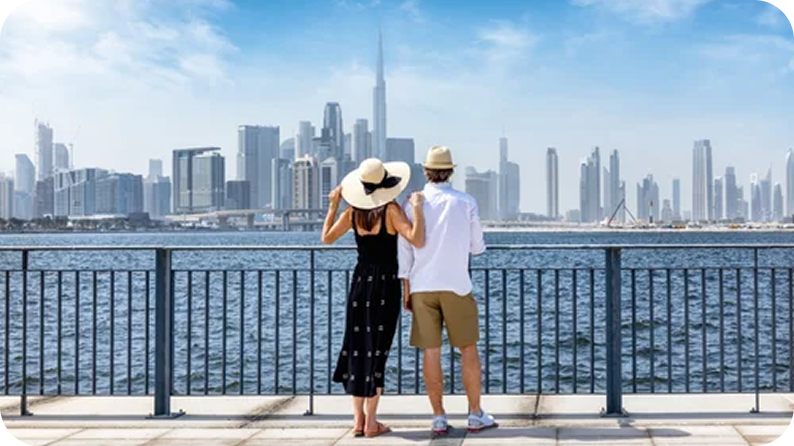
For UAE and GCC employers, there is one important difference: autumn does not always mean cool outdoor weather. A fall campaign may need to account for local temperatures, work locations, hybrid teams and different employee schedules.
Here are 10 practical challenge ideas that can be adapted for offices, remote teams and hybrid workplaces.
Quick Answer
Fall wellness challenges are short, seasonal workplace activities designed to encourage healthier habits, employee connection and engagement. Examples include walking challenges, hydration goals, mindfulness breaks, sleep routines, gratitude activities and team-based acts of kindness. The most effective challenges are voluntary, inclusive, easy to participate in and connected to a broader workplace wellbeing strategy.
Why Run a Fall Wellness Challenge at Work?
A seasonal campaign gives HR teams a simple way to bring wellbeing into everyday employee experiences without turning it into a one-off awareness event.
A challenge can encourage employees to take small actions consistently, while also creating opportunities for teams to connect.
This matters because employee wellbeing is broader than physical fitness. It can include physical, mental, emotional, social, financial and professional aspects of working life.
The World Health Organization recommends that adults aged 18–64 get at least 150 minutes of moderate-intensity physical activity each week, while also emphasizing that some activity is better than none.
Mental wellbeing also deserves attention. WHO notes that unhealthy working conditions can create risks for mental health and estimates that depression and anxiety result in around 12 billion lost working days globally each year.
This is why a workplace wellness challenge should not be limited to counting steps.
A stronger approach combines different forms of wellbeing and gives employees choices.
10 Fall Wellness Challenges for Employees
1. Step Outside Challenge
Encourage employees to add more walking or outdoor movement to their day.
The goal does not have to be a fixed number of steps. Employees can choose a realistic target based on their normal activity level.
Challenge idea:
- Walk for 15–30 minutes during the day.
- Take a walking meeting where appropriate.
- Use stairs instead of lifts when practical.
- Invite colleagues to take a short group walk.
- Allow alternative indoor movement for employees who cannot comfortably walk outside.
For UAE and GCC teams, this challenge should be adapted according to local weather and workplace conditions. Outdoor participation should never be treated as a requirement.
Why it works: It encourages everyday movement without requiring employees to join a gym or complete a formal workout.
2. Hydration Reset Challenge
Hydration is easy to overlook during a busy working day.
Create a simple hydration awareness challenge that encourages employees to build regular drinking habits rather than competing over who can consume the most water.
Challenge idea:
- Encourage employees to keep a water bottle nearby.
- Share simple hydration reminders.
- Encourage regular breaks away from the desk.
- Include caffeine-free options where appropriate.
- Avoid setting a single target that may not suit everyone.
For GCC workplaces, hydration can be particularly relevant because climate and heat exposure can vary significantly across the year.
The focus should be on healthy routines rather than competition.
3. Mindful Minute Challenge
Not every wellbeing activity needs to take 30 or 60 minutes.
A mindful minute challenge can encourage employees to take one short pause during the working day.
Employees could use the minute for:
- Slow breathing
- Quiet reflection
- Stretching
- A short guided mindfulness exercise
- Stepping away from a screen
- Preparing mentally for the next task
The aim is not to promise that one minute will solve workplace stress. Instead, it creates a simple reminder to pause and reset.
This can work particularly well for hybrid teams because participation does not depend on being physically together.
4. Gratitude and Positive Feedback Challenge
Turn gratitude into a team connection activity.
For one or two weeks, ask employees to recognize something positive each day.
This could mean:
- Thanking a colleague
- Recognizing someone's contribution
- Sharing a positive customer interaction
- Writing down something they appreciated that day
- Giving a colleague specific positive feedback
The challenge can be private or team-based, depending on company culture.
The important point is to avoid forcing employees to share personal feelings publicly. Participation should remain comfortable and voluntary.
5. Screen Break Challenge
A screen-break challenge encourages employees to create small periods away from digital devices.
For example, employees could aim to take a few short screen breaks during the working day.
Possible activities include:
- Walking away from the desk
- Having a meeting without looking at a laptop where appropriate
- Taking lunch away from the workstation
- Stretching between meetings
- Spending a few minutes outside when conditions allow
For remote employees, the same principle can be applied at home.
The objective is not to create a strict "digital detox." It is simply to encourage healthier boundaries around continuous screen use.
6. Sleep Routine Challenge
Sleep is an important part of overall wellbeing, but an employee wellbeing program should avoid treating sleep as something employees can simply "fix" through a competition.
Instead, create a sleep-awareness challenge.
Employees could choose one routine to work on for two weeks, such as:
- Keeping a more consistent bedtime
- Reducing unnecessary screen use before sleep
- Creating a relaxing evening routine
- Protecting adequate time for rest
- Learning about healthy sleep habits
The challenge should be educational rather than intrusive. Employers should not ask employees to disclose private health information or personal sleep data.
7. Desk Stretch and Movement Challenge
Long periods of sitting can make the working day feel physically demanding.
A short movement challenge can encourage employees to introduce simple activity into their workday.
Ideas include:
- Two-minute stretching breaks
- Shoulder and neck mobility exercises
- Standing during selected calls
- Short movement breaks between meetings
- Guided workplace stretching sessions
Employees should always have alternative options based on their individual abilities and circumstances.
This makes the activity more inclusive than a challenge based purely on exercise performance.
8. Healthy Eating Challenge
Create a simple seasonal nutrition challenge focused on adding healthier choices rather than restricting food.
For example, employees could aim to:
- Add fruit or vegetables to one meal each day.
- Try a new nutritious recipe.
- Prepare one meal at home.
- Learn about balanced meals.
- Share healthy recipes with colleagues.
Avoid labeling foods as "good" or "bad" and avoid weight-loss competitions.
For a multicultural workforce, invite employees to share healthy meals from different cultures. This can make the challenge more social while respecting different food preferences and traditions.
9. Acts of Kindness Challenge
Wellbeing is also about relationships and connection.
An acts-of-kindness challenge can encourage employees to support colleagues through simple actions.
Examples include:
- Thanking a colleague
- Helping someone with a task
- Welcoming a new team member
- Recognizing someone's work
- Offering support to a colleague
- Volunteering as a team
This is especially useful for hybrid and distributed teams, where informal social interaction can be harder to create.
The challenge can be measured through participation rather than trying to assign a numerical value to kindness.
10. Team Wellbeing Choice Challenge
Instead of giving everyone the same activity, let employees choose from several wellbeing actions.
For example, employees could complete any three of the following during a week:
- Take a walk
- Complete a short stretch
- Take a mindful break
- Connect with a colleague
- Prepare a healthy meal
- Take a proper lunch break
- Do something relaxing after work
This is one of the strongest formats for an inclusive workplace wellness challenge because employees have control over how they participate.
It also supports the idea that wellbeing is personal. Different employees may need different forms of support at different times.
How to Make Workplace Wellness Challenges Inclusive
A challenge can have high participation and still exclude some employees.
Before launching a campaign, HR teams should ask:
- Can remote employees participate?
- Is there an option for employees with different physical abilities?
- Does participation require special equipment?
- Does the activity work across different working schedules?
- Are employees expected to share personal health information?
- Does the challenge work for different cultures and dietary preferences?
- Can employees choose an alternative activity?
Avoid designing challenges around one definition of health.
For example, a step challenge may work well for many employees but not for everyone. VIWELL's existing guidance on workplace step challenges similarly emphasizes adapting activities for employees with different physical abilities, chronic conditions, pregnancy and other individual circumstances.
The goal should be participation and wellbeing, not competition at any cost.
How to Run a Successful Seasonal Wellness Challenge
A good idea still needs good execution.
1. Set one clear objective
Decide what the challenge is trying to achieve.
Is the goal to:
- Increase participation?
- Encourage physical activity?
- Improve team connection?
- Introduce healthier routines?
- Support mental wellbeing?
- Re-engage employees?
Avoid trying to solve every wellbeing issue with one campaign.
2. Keep the challenge simple
Employees should understand what to do within a few seconds.
A simple challenge usually has:
- One clear goal
- A defined timeframe
- Easy participation
- Flexible options
- Clear communication
- Simple progress tracking
3. Give employees choices
Personalization can make participation easier.
Instead of requiring everyone to complete the same activity, allow employees to select suitable actions.
This is particularly important for a diverse workforce across different age groups, abilities, locations and working patterns.
4. Make it social, but not forced
Team challenges can increase interaction, but not everyone enjoys public competition.
Offer different participation styles:
- Individual goals
- Team goals
- Optional leaderboards
- Recognition
- Private progress tracking
5. Recognize participation
Recognition does not always need to mean a prize.
Consider:
- Team shout-outs
- Digital badges
- Recognition messages
- Certificates
- Small rewards
- Leadership appreciation
The emphasis should be on consistent participation rather than only rewarding the highest performer.
How Should HR Measure a Wellness Challenge?
A successful employee wellness challenge should be measured by more than the number of people who signed up.
Useful measures include:
Participation
Track:
- Registration
- Active participation
- Completion
- Repeat participation
Engagement
Look at:
- Challenge activity
- Team participation
- Content engagement
- Employee feedback
Experience
Ask employees:
- Was the challenge easy to participate in?
- Did it fit into their workday?
- Would they participate again?
- What would they change?
Business relevance
Over time, HR can compare wellbeing participation with broader workforce indicators where appropriate.
The important point is not to claim that one two-week challenge automatically causes improvements in productivity, retention or absenteeism.
Instead, seasonal challenges should form part of a broader workplace wellbeing program that can be evaluated over time.
Gallup's 2026 State of the Global Workplace report found that 20% of employees globally were engaged at work in 2025, while 34% were classified as thriving in their lives. Gallup also reports that negative daily emotions among workers remain above pre-pandemic levels.
This reinforces the need to think about employee wellbeing as an ongoing strategy rather than a once-a-year activity.
What This Means for UAE and GCC Employers
Fall wellness campaigns can work in the UAE and GCC, but they should not simply copy a Northern Hemisphere autumn campaign.
The most useful approach is to treat "fall" as a campaign period and adapt the activities to local conditions.
For example:
- Choose outdoor activities based on actual weather and safe conditions.
- Offer indoor alternatives.
- Consider hybrid and remote employees.
- Keep participation flexible across different working schedules.
- Respect cultural and dietary differences.
- Provide Arabic and English communication where appropriate for the workforce.
- Avoid assuming that all employees have the same health, fitness or lifestyle preferences.
This matters because GCC organizations often have diverse workforces, meaning one-size-fits-all wellness campaigns may not work equally well for everyone.
A personalized approach can make seasonal activities more accessible and relevant.
The broader objective should be to create an ongoing workforce wellbeing strategy where seasonal challenges are one part of a larger employee experience.
How VIWELL Can Support Your Workplace Wellbeing Strategy
Seasonal challenges are more useful when they are connected to an ongoing wellbeing program rather than managed as isolated HR activities.
VIWELL's workplace wellbeing solution includes employee challenges and social activities, alongside broader wellbeing resources and organizational insights. Its workplace offering also includes Arabic support and an employer dashboard designed to give HR and leadership teams an organization-level view of participation and wellbeing trends.
VIWELL's organization insights solution also supports tracking engagement levels, wellbeing trends and program performance, helping HR teams use data to understand what is working and where additional support may be needed.
For HR teams, this creates an opportunity to move from:
One seasonal challenge → an ongoing wellbeing strategy
Instead of simply asking whether employees completed a challenge, organizations can look at participation patterns, engagement and broader workforce needs.
That makes seasonal employee wellbeing activities more meaningful as part of a longer-term workplace wellbeing plan.
Final Takeaway
Fall wellness challenges can be a simple way to bring fresh energy into workplace wellbeing, but their value depends on how they are designed.
The strongest challenges are:
- Easy to understand
- Flexible to different employees
- Inclusive
- Social without being forced
- Easy to participate in
- Supported by clear communication
- Connected to broader wellbeing goals
- Measured beyond simple participation
Whether you choose walking, hydration, mindfulness, sleep, healthy eating, connection or a mix of activities, the goal should not be to create another workplace competition.
The goal is to help employees take small, realistic steps towards better wellbeing while creating stronger connections across the workforce.
For organizations looking to move beyond one-off activities, a personalized wellbeing platform can help connect challenges with a broader employee wellbeing strategy.
Explore VIWELL's workplace wellbeing solutions to see how organizations can create more engaging and measurable wellbeing experiences for their people.