Your heart needs more than exercise


When you think about keeping your heart healthy, what comes to mind first?
For many of us, the answer is exercise. Running, walking, cycling and other forms of physical activity are strongly connected with cardiovascular health. But heart health is shaped by much more than what happens during a workout.
How much we move throughout the day, what we eat, how we sleep, whether we smoke, how we recover from prolonged stress, and health measures such as blood pressure, cholesterol and blood glucose can all contribute to cardiovascular health over time.
That matters because cardiovascular disease remains the leading cause of death globally. According to the World Health Organization (WHO), cardiovascular diseases caused an estimated 19.8 million deaths in 2022, representing approximately 32% of all deaths worldwide.
Taking care of your heart isn't one healthy action. It's the pattern those actions create together.
Heart health is bigger than exercise
The heart doesn't work in isolation. It is part of the cardiovascular system, continuously pumping blood through a network of vessels that delivers oxygen and nutrients throughout the body.
The American Heart Association's Life's Essential 8 offers a useful way to look at cardiovascular health. It brings together diet, physical activity, nicotine exposure, sleep, body weight, blood lipids, blood glucose and blood pressure.
Some of these are behaviours. Others are influenced by a combination of behaviour, genetics, age, medical conditions, medications, environment and other circumstances.
That's an important distinction. Heart health shouldn't be reduced to telling people to “make better choices”. There are factors we cannot control. But understanding the ones we can influence gives us more ways to support cardiovascular health than exercise alone.
Movement matters, including outside the gym
You don't have to train for a marathon to benefit from physical activity.
The World Health Organization recommends that adults aim for 150 to 300 minutes of moderate-intensity aerobic activity per week, or 75 to 150 minutes of vigorous activity, alongside muscle-strengthening activities.
But movement doesn't suddenly become valuable when you cross a particular threshold.
A major 2023 analysis published in the British Journal of Sports Medicine, covering research involving more than 30 million people, found cardiovascular benefits even at activity levels below the full recommended amount. Around half the minimum recommended level of moderate activity was associated with a lower risk of cardiovascular disease mortality compared with being inactive.
What happens outside structured exercise matters too. Research published in The BMJ has also linked higher overall activity with lower mortality risk and greater sedentary time with higher risk.
For someone who spends much of the working day sitting, that makes everyday movement worth paying attention to. Walking during a phone call, moving between meetings, taking the stairs when appropriate or adding a short walk after lunch can all create more movement without requiring another workout.
Exercise matters. So do the hours around it.
What else does your heart need?
Movement is only one part of the picture.
Look at the overall eating pattern
Heart-healthy eating isn't about finding one ingredient with special cardiovascular powers.
The PREDIMED trial, which studied adults at high cardiovascular risk, found fewer major cardiovascular events among participants following Mediterranean-style dietary interventions compared with the control group.
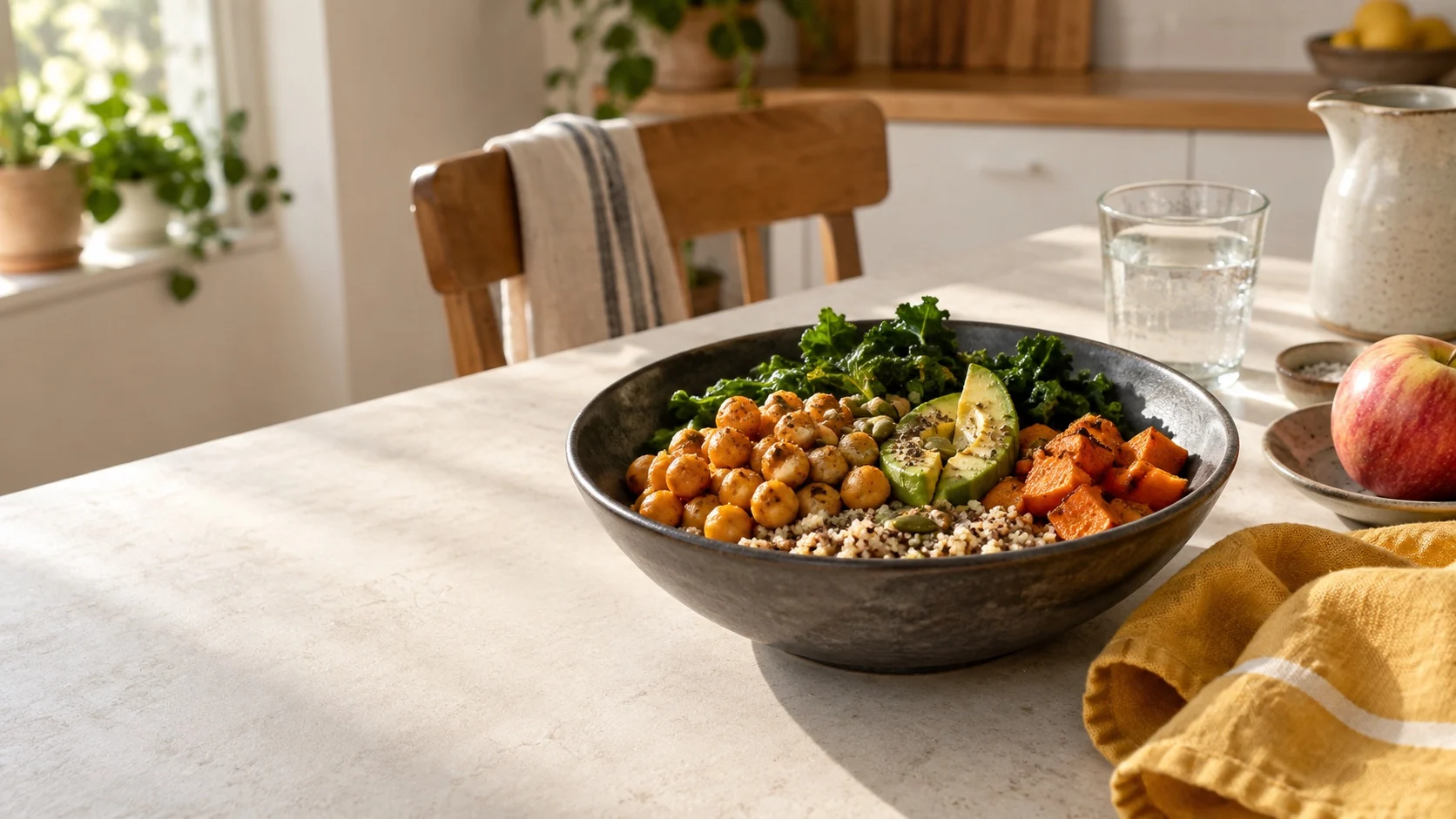
The important point isn't simply to add olive oil or nuts. The dietary pattern included foods such as vegetables, fruits, legumes, whole grains, fish and predominantly unsaturated fats.
The pattern mattered more than one ingredient.
Don't overlook sleep
Sleep is now recognised as a core part of cardiovascular health. When the American Heart Association updated its cardiovascular health framework in 2022, sleep was added as one of Life's Essential 8.
For adults, the AHA identifies seven to nine hours per night as the range associated with the highest cardiovascular health score.
Of course, sleep isn't simply a matter of deciding to go to bed earlier. Work schedules, family responsibilities, stress, environment and sleep disorders can all affect how well we rest.
The point isn't to turn sleep into another number to chase. It's to recognise that regularly sacrificing rest can affect more than how tired we feel the next morning.
Make room for recovery
Stress is another area where simple advice can be misleading. A stressful meeting or difficult day doesn't mean you're damaging your heart.
But prolonged stress can interact with cardiovascular health in several ways. The international INTERHEART study, conducted across 52 countries, found that psychosocial factors including stress at work or home, financial stress, stressful life events and depression were collectively associated with heart-attack risk.
Stress can also influence sleep, movement, eating, smoking and how much capacity we have to take care of ourselves.
We can't remove every source of stress from life. But making room for genuine recovery, whether through movement, rest, time outdoors, relaxation or social connection, can support our wider wellbeing.
Why knowing your numbers matters
Some important cardiovascular risk factors don't always make themselves obvious.
You can feel completely well while having elevated blood pressure, cholesterol or blood glucose. That's one reason appropriate preventive health checks matter.
These numbers aren't scores telling you whether you're “healthy” or “unhealthy”. They're pieces of information that healthcare professionals interpret alongside age, medical history, family history, medications and other risk factors.
If something is outside the recommended range, appropriate management should be discussed with a qualified healthcare professional rather than assuming lifestyle changes alone will address it.
This is an important part of wellbeing too. Sometimes taking care of ourselves means changing an everyday behaviour. Sometimes it means getting the right information and knowing when to seek professional support.
Heart health in everyday life
Heart health doesn't have to mean redesigning your entire routine.
It might mean adding a short walk to a day spent mostly sitting. It could mean making vegetables, fruits, whole grains or pulses a more regular part of meals. It might mean protecting enough time for sleep, finding a better way to recover after demanding periods or finally booking the health check you've been postponing.
The working day can make these things easier or harder.
Long periods of sitting, meetings that run through lunch and a culture of constant availability can all compete with healthier routines. Organisations don't need to monitor employees' personal health choices to make a difference. Realistic breaks, opportunities to move, access to drinking water and nutritious options where food is provided, credible health information and a culture that respects recovery can all help.
At VIWELL, we see wellbeing as interconnected. Physical health doesn't exist separately from nutrition, mental wellbeing, social connection or the way we work.
Heart health is a good example of how those different parts of life can come together.
Putting heart health into action this September
With World Heart Day on 29 September, this month gives us an opportunity to pay a little more attention to the everyday factors that support cardiovascular wellbeing.
VIWELL members can also bring movement into that conversation through the Heart Day 29K Week step challenge, followed by the Hearts at Sunset Walk: 29K Finish Line in Dubai and KSA on 29 September.
Movement is at the centre of these activities, but the bigger message goes beyond steps.
Use the month to look at your wider pattern. Are you finding opportunities to move throughout the day? How has your sleep been lately? Have you been postponing an important health check? Is there one small change to your usual meals or working routine that could better support your wellbeing?
There is no single heart-healthy habit, and there is no need to change everything at once. Cardiovascular health is shaped over time by factors we can influence and others we cannot.
At VIWELL, the goal isn't to turn every decision into a cardiovascular calculation. It's to make taking care of our wellbeing a more natural part of everyday life.
Because taking care of your heart isn't one thing you do. It's part of how you live.
References
- World Health Organization. Cardiovascular diseases (CVDs). WHO Fact Sheet.
- World Health Organization. (2020). WHO guidelines on physical activity and sedentary behaviour. World Health Organization.
- Garcia, L., Pearce, M., Abbas, A., et al. (2023). Non-occupational physical activity and risk of cardiovascular disease, cancer and mortality outcomes: A dose-response meta-analysis of large prospective studies. British Journal of Sports Medicine, 57, 979–989.
- Ekelund, U., Tarp, J., Steene-Johannessen, J., et al. (2019). Dose-response associations between accelerometry measured physical activity and sedentary time and all cause mortality: Systematic review and harmonised meta-analysis. The BMJ, 366, l4570.
- Estruch, R., Ros, E., Salas-Salvadó, J., et al. (2018). Primary prevention of cardiovascular disease with a Mediterranean diet supplemented with extra-virgin olive oil or nuts. New England Journal of Medicine, 378, e34.
- Lloyd-Jones, D. M., Allen, N. B., Anderson, C. A. M., et al. (2022). Life's Essential 8: Updating and enhancing the American Heart Association's construct of cardiovascular health. Circulation, 146(5), e18–e43.
- Rosengren, A., Hawken, S., Ôunpuu, S., et al. (2004). Association of psychosocial risk factors with risk of acute myocardial infarction in 11,119 cases and 13,648 controls from 52 countries (the INTERHEART study). The Lancet, 364(9438), 953–962.